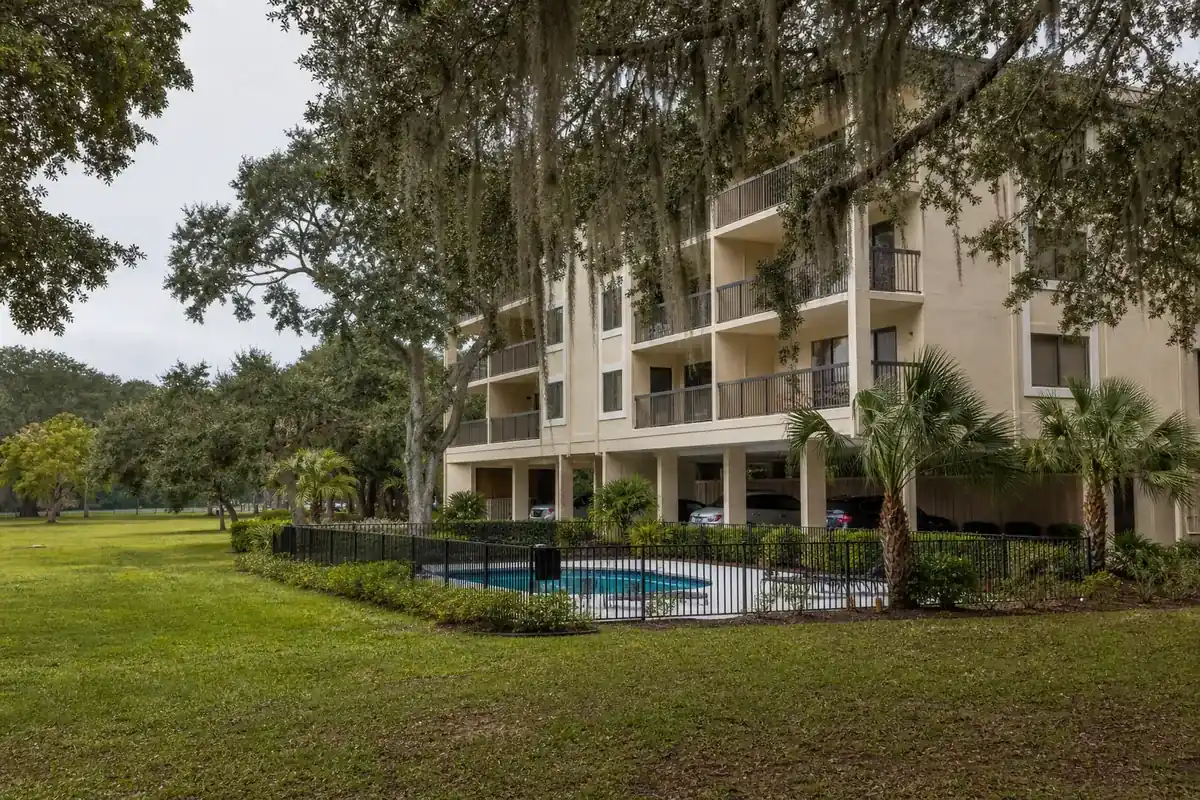
Unit Owner Coverage
Condo Insurance in Gainesville, FL
We help you review your unit coverage.
What Condo Insurance Covers
A common mistake is thinking the condo association policy covers your whole unit. On a busy afternoon near Archer Rd and SW 34th St, that misunderstanding usually stays hidden until there is water damage, a wind claim or a liability issue inside the unit. Condo insurance is for your part of the property and your responsibility as the owner. In Gainesville, that often means looking closely at what starts at the walls, what counts as an improvement and what happens when weather moves across town from Paynes Prairie or traffic keeps a vacant unit sitting empty longer than planned.
Your association usually carries a master policy for the building and common areas, but that does not mean your cabinets, flooring, fixtures, furniture and personal liability are fully handled there. A unit policy, often called an HO-6 policy, is built to work with that master policy. The details matter. High-rise buildings near University Ave can have different insurance questions than garden-style communities off Newberry Rd or NW 43rd St. We help you sort out where the association policy may stop and where your own coverage often needs to begin.
Condo Insurance Across Alachua County and Nearby
- Gainesville, FL
- Alachua, FL
- Newberry, FL
- High Springs, FL
- Archer, FL
- Hawthorne, FL
- Micanopy, FL
- Waldo, FL
- Jonesville, FL
- Haile Plantation, FL
- Tioga, FL
- Melrose, FL
- Keystone Heights, FL
- Williston, FL
- Bronson, FL
- Trenton, FL
- Lake Butler, FL
- Fort White, FL
- Interlachen, FL
- Northwest Gainesville, FL
- Southwest Gainesville, FL
What to Review First
Start with the urgent question. If there is a leak, wind damage or a claim involving another unit, which policy responds first. The answer usually depends on your association documents and the master policy wording. Before you compare options, it helps to review the parts of condo insurance that cause the most confusion for Gainesville unit owners.
Master Policy Vs. Your Unit
The biggest gap often comes from assuming the association insures everything behind your front door. Many associations insure the building structure and common elements, but unit owners may still need coverage for interior surfaces, attached fixtures, certain built-ins and items inside the home. The exact split can vary. That is why we recommend reading the association insurance summary and bylaws along with your HO-6 options.
Walls-In and Interior Improvements
Walls-in coverage generally refers to the parts of the unit you may be responsible for, such as paint, flooring, cabinets, countertops, lighting and bathroom or kitchen updates. If you bought a unit with upgraded finishes, or you remodeled after purchase, those improvements may need special attention. Gainesville condos range from older units near campus to newer communities, and that can change how much interior coverage makes sense.
Personal Property and Loss of Use
Your furniture, clothing, electronics and other belongings are usually part of your condo policy, not the association master policy. If a covered loss makes the unit temporarily unlivable, loss of use coverage may also help with added living expenses, depending on the policy terms. This becomes important for seasonal owners and for anyone whose unit is affected by a neighboring leak, smoke damage or storm-related repairs.
Liability Inside the Unit
If someone is injured in your unit, or if water from your unit damages another one, liability coverage may matter as much as property coverage. Liability questions can come up from everyday events, not only major disasters. In a Gainesville condo building with shared walls, elevators, parking areas and frequent guest traffic on weekends or game days, a small incident can spread into several units or involve the association.
Loss Assessment Coverage
Some unit owners are surprised to learn the association can sometimes assess owners for certain shared losses or deductibles, depending on the governing documents and the claim. Loss assessment coverage may help in some situations, subject to the policy terms and limits. This is worth a close look in buildings with large common elements, storm exposure or a master policy deductible that could leave unit owners sharing part of the bill.
Hurricane Deductibles and Flood
Wind and hurricane deductibles are often different from other deductibles, so unit owners should know how their policy handles named storm losses. Flood is a separate policy, not part of a standard condo policy. In Gainesville, that matters even away from the coast. Heavy rain, drainage issues and low-lying areas can still create flood concerns. Units near areas that collect water after major storms should review flood separately and early.
Seasonal Use and Rental Periods
A condo used only part of the year or rented out for stretches of time may need a different review than an owner-occupied primary home. Insurers often ask how the unit is occupied, how often it is vacant and whether tenants stay there. A near-campus unit that shifts between owner use and rental use can raise different questions than a quiet garden-style condo used year-round by the owner.
Why Choose Us for Condo Insurance?
Local Condo Perspective
We write for Gainesville owners, so our guidance stays grounded in the kinds of units and questions people actually have here. That includes near-campus condos, buildings with student turnover, quieter communities off NW 43rd St and units that sit empty for parts of the year.
Clear Gap Review
We focus on the space between the association master policy and your own responsibility. That is usually where the confusion sits. We help you identify what may belong under the building policy, what may fall on the unit owner and what needs a closer policy review.
Licensed Follow Up
You start here with information and guidance. Then a licensed agent follows up to review the details of your unit, occupancy and association setup. That helps move the conversation from general condo advice to coverage options that fit the property you actually own.
How to Review Coverage
Gather Association Papers
Start with the master policy summary, bylaws and any document that explains owner responsibility. Those pages often answer the most important question first, which is where the association coverage stops and your own unit responsibility begins.
List Unit Features
Make a simple list of interior finishes, upgrades, built-ins and major belongings. Include anything added after the original build. This helps show how much walls-in and personal property coverage you may want for the unit you own today.
Check Occupancy Use
Think about how the condo is actually used. Full-time residence, seasonal use, student housing patterns and rental periods can all affect the policy review. A unit near campus may need a different conversation than a year-round owner-occupied condo.
Review Flood Separately
Do not assume flood is part of the main condo policy. Ask about it on its own. If your building has drainage concerns or sits in an area that collects water during heavy weather, this step matters even more.
Compare the Gaps
Once the documents and unit details are clear, compare them against the HO-6 options. We help you focus on the likely gaps first, such as improvements, liability, loss assessment, deductibles and any limits that seem too low for the unit.
Check Florida Sources
For official Florida rules and consumer guidance, check the Florida Department of Highway Safety and Motor Vehicles and the Florida Department of Financial Services consumer helpline. Condo insurance questions often involve property coverage rather than vehicle rules, but these state sources are still useful for official information and complaint or consumer support channels. Your condo association documents and master policy summary also matter, because they help show where association coverage may end and where a unit owner policy may need to respond.
What a Policy Costs
Condo insurance pricing usually depends on the unit itself, the building setup and the amount of coverage you choose. A larger gap between the association master policy and your own responsibility can mean you need more walls-in protection. Interior upgrades, personal property limits, liability choices, loss assessment coverage and whether you add flood all may affect the premium. Seasonal use and rental activity can also change how a policy is priced because the occupancy pattern is different from a full-time owner-occupied unit.
Other factors that often move the premium include the age and condition of the building systems that affect your unit, the floor level, the claim history tied to the property, security features, deductible choices and whether the unit is owner-occupied, vacant at times or tenant-occupied. High-rise and garden-style condos may be viewed differently. A unit with custom finishes usually needs more interior coverage than a basic unit. The simplest way to estimate cost is to review the association documents and the details of your unit together.
Condo Insurance Questions We Hear
Does the condo association policy cover everything inside my Gainesville unit?
Usually no. The association master policy often covers the building and common elements, but your unit may still need coverage for interior surfaces, fixtures, improvements, belongings and personal liability. The exact split depends on the association documents and the master policy wording. That is why Gainesville unit owners should review both before assuming a loss is fully covered.
What does walls-in coverage usually mean for a condo owner?
Walls-in coverage generally refers to parts of the unit you may be responsible for inside the structure. That can include flooring, cabinets, countertops, paint, light fixtures and built-in features, depending on the association setup. If you upgraded the unit after purchase, those additions may need extra attention so the coverage reflects what is actually inside your condo.
Is flood included in condo insurance in Florida?
Flood is usually separate from a standard condo policy. Your HO-6 policy may cover many common property and liability issues, but flood generally requires its own policy. Even in Gainesville, inland flooding can still be a concern after heavy rain or drainage problems. If your building or area has had water issues, it is worth reviewing flood early instead of waiting.
Do I need condo insurance if I only use the unit part of the year?
Seasonal use still leaves you with responsibility as the owner, and part-time occupancy can change the insurance questions. A unit that sits vacant for stretches may be viewed differently than a full-time residence. You may still want protection for interior parts of the unit, belongings, liability and possible assessments from the association. How often the condo is occupied should be part of the review.
Can I keep the same condo policy if I rent the unit out sometimes?
Maybe, but rental use should be disclosed and reviewed. A policy built for an owner-occupied condo may not fit a unit that is rented out for part of the year or for longer terms. Liability, personal property, vacancy and loss of use questions may change when tenants are involved. Near the University of Florida, this comes up often with units that switch use over time.
Contact Us Today for a Free Estimate
Ready to review condo insurance for your Gainesville vehicle or property? Tell us what you have and we will follow up.
Free, no obligation